Home / What's On / Life in the Wild Camera Trails 2026 in…
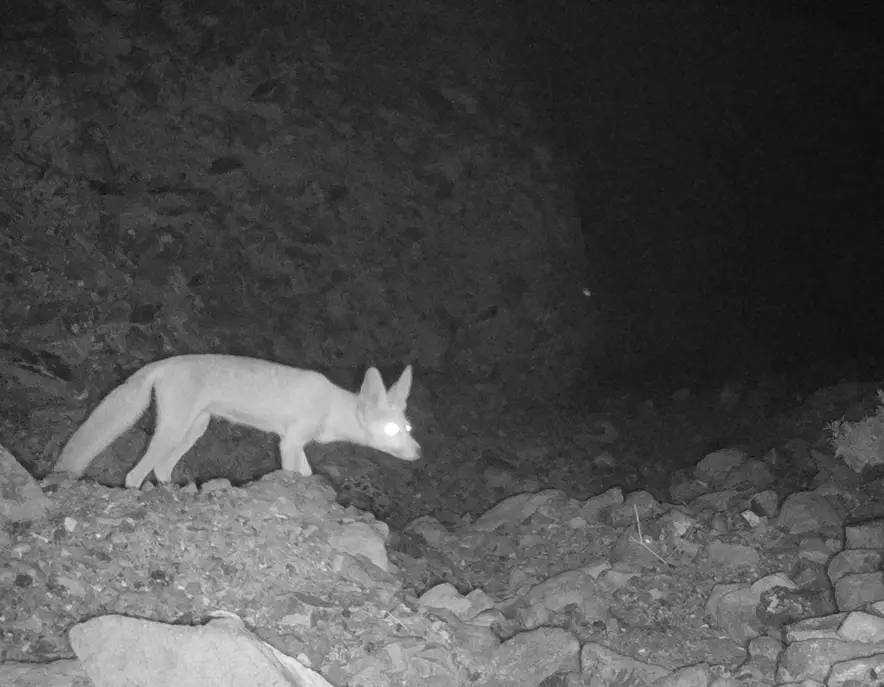
Life in the Wild Camera Trails 2026 in Fujairah
- Saturday 7 November 20268:00 am – 11:00 am
- Wadi WurayahWadi Wurayah National Park Fujairah,United Arab EmiratesOpen in Maps →
- AED 350Tickets
Life in the Wild: Camera Trails is a guided volunteering hike in Wadi Wurayah National Park, Fujairah, on the morning of Saturday 7 November 2026, run by Emirates Nature-WWF through its Leaders of Change programme. Over about three hours in the mountains, volunteers learn how camera traps work, review what they have captured and help record the species living in one of the UAE’s most important protected areas.
It is a rare chance to see the side of the Hajar Mountains that only appears when nobody is watching: shy, nocturnal and endangered animals caught on motion-sensor cameras.
Camera Trails in Wadi Wurayah, Fujairah
Leaders of Change is Emirates Nature-WWF’s volunteering and community action programme, giving residents a hands-on role in conservation through field activities across the country. Camera Trails takes that idea into the mountains. The Emirates Nature-WWF team guides participants along the wadi, explains how camera traps are chosen, positioned and installed, and shows footage of rare and endangered wildlife recorded in the park.
The morning has clear goals: understanding which species live in Wadi Wurayah and when they are active, monitoring threats to the park and its recovery, and learning practical wildlife tracking methods across different mountain habitats. Participants also use the iNaturalist app to log the species they spot, so their sightings become real observations in a global biodiversity database.
The activity is sponsored by the Fujairah Environment Authority and Mashreq.
Why Camera Traps Matter Here
Camera traps have been part of Wadi Wurayah’s story for years. Fujairah Municipality began using them in 2006 to monitor wildlife, poachers and intruders, and a 2018 study in the Journal of Threatened Taxa described 89 cameras covering the core zone of the park on a two-kilometre grid. Their main targets include the Arabian tahr, caracal, red fox, Blanford’s fox and Gordon’s wildcat, all animals that are hard to see in person.
The results have been striking. Emirates Nature-WWF credits camera traps with helping to identify more than 1,100 species in the area, including a porcupine never previously recorded in the wadi. In October 2025, motion-sensor trail cameras installed by Emirates Nature-WWF citizen scientists with the Fujairah Environment Authority photographed an Arabian caracal in the park. The caracal is classed as Critically Endangered on the UAE National Red List, with likely fewer than 250 mature individuals left in the wild, and the sighting came through the Notice Nature initiative supported by Mashreq. Before that, the species had been logged elsewhere in the country only rarely, at Jebel Hafeet in 2019 and near Wadi Shees in March 2023. Camera Trails puts volunteers in the same landscape, using the same tools, as that work.
What the Morning Involves
A guided mountain walk
The session starts at 8am and runs for around three hours on foot through the Wadi Wurayah mountains, led throughout by the Emirates Nature-WWF team. Sturdy closed shoes suited to rocky ground will make the walk more comfortable.
Camera trap know-how
You see how traps are set up and why placement matters. They record animals that are shy, nocturnal or simply very difficult to encounter, and understanding how they work explains much of what we now know about the park’s wildlife.
Reviewing the footage
For many participants the highlight is the footage itself: a glimpse of rare creatures going about their lives undisturbed in the mountains.
Citizen science with iNaturalist
Every species you record in the app adds to the picture of what lives in the wadi. Setting up the app and an account before you leave home helps, as you will want it ready on the trail.
About Wadi Wurayah National Park
Wadi Wurayah is a protected mountain area in Fujairah, established as a protected area in 2009 after years of joint work by Emirates Nature-WWF and the local authorities. In October 2010 it joined the list of wetlands of international importance under the Ramsar Convention, and it is also recognised as a UNESCO Biosphere Reserve. Its freshwater streams and pools, the reason for its wetland listing, support a wide range of species. Because it is a protected area, following the guides’ instructions and leaving no trace are part of taking part. Exact meeting details are shared through the Leaders of Change platform after registration.
Who Can Join
The activity is open to participants aged 12 and above, so it suits nature-loving teenagers and their families as well as adults who want to contribute to conservation. No science background is needed; curiosity and a willingness to hike over uneven ground are the main requirements. It is open to Leaders of Change members, and non-members can register through the programme.
To plan the rest of your trip to the east coast, see our guide to things to do in Fujairah, browse more outdoor attractions in the UAE and our round-up of things to do in November.
Frequently asked questions
What is Life in the Wild Camera Trails in Fujairah?
It is a guided volunteering hike in Wadi Wurayah National Park run by Emirates Nature-WWF's Leaders of Change programme. Volunteers learn how camera traps are installed, review footage of rare and endangered wildlife and log species with the iNaturalist app. It is sponsored by the Fujairah Environment Authority and Mashreq.
What time does the Camera Trails hike start in Wadi Wurayah?
The hike starts at 8am on Saturday 7 November 2026 and lasts around three hours, finishing late morning. Exact meeting details inside Wadi Wurayah National Park are shared through the Leaders of Change platform after you register.
What is the minimum age for Camera Trails?
Participants must be 12 or older. That makes the activity suitable for teenagers who enjoy nature, along with their families and adult volunteers. No science background is needed, but you should be comfortable hiking for about three hours over rocky mountain ground.
Which animals live in Wadi Wurayah?
Camera traps in the park target species such as the Arabian tahr, caracal, red fox, Blanford's fox and Gordon's wildcat. Emirates Nature-WWF says camera traps have helped identify more than 1,100 species in the area, and an Arabian caracal was photographed there in October 2025.
Do I need to be a Leaders of Change member to join?
No. The activity is open to Leaders of Change members, and non-members can register through the programme's website. Registration also gives you access to the meeting details for the morning in Wadi Wurayah.
What should I prepare before the Camera Trails hike?
Download the iNaturalist app and create an account before you leave home, because you will use it to record species on the trail. Wear sturdy closed shoes for rocky ground, and follow the guides' instructions inside the protected area.
How do I register for Life in the Wild Camera Trails?
Register through the Leaders of Change event page by Emirates Nature-WWF, linked from this listing. Once registered, you receive the meeting point and details for the Saturday 7 November session in Wadi Wurayah National Park, Fujairah.
You might also like
Hosting an event in the UAE?
List it for free and reach people planning their week across the Emirates.