Home / What's On / Monitoring Native Trees Volunteering 2026 in Fujairah
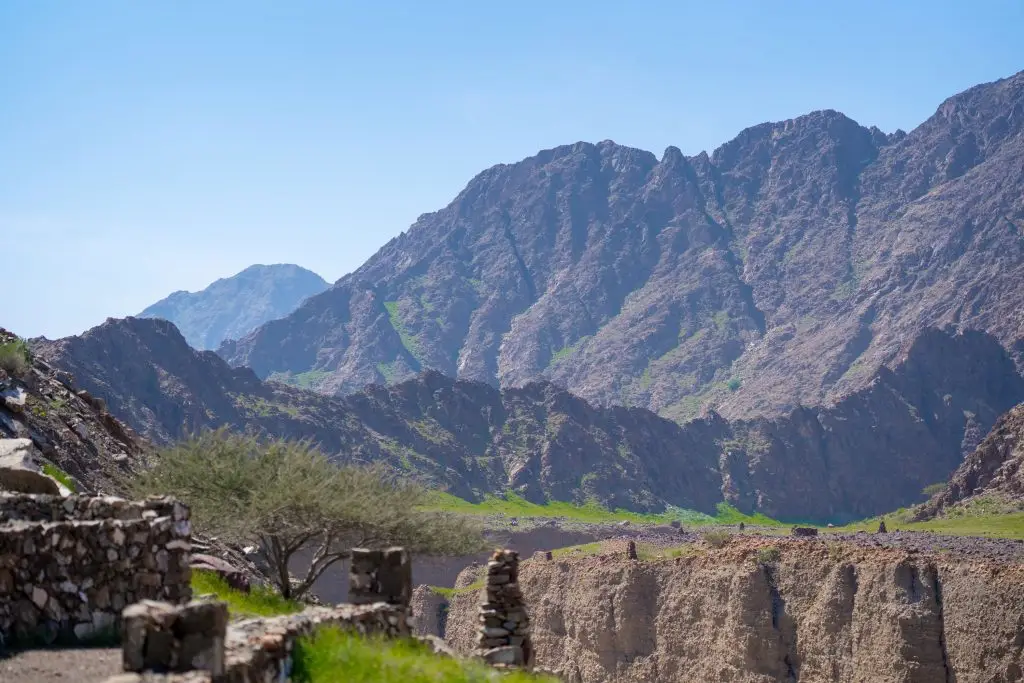
Monitoring Native Trees Volunteering 2026 in Fujairah
- Sunday 8 November 20268:00 am – 11:00 am
- Wadi WurayahWadi Wurayah National Park Fujairah,United Arab EmiratesOpen in Maps →
- AED 350Tickets
Monitoring Native Trees in Fujairah is a volunteering morning in Wadi Wurayah on Sunday 8 November 2026, where you help check how young native trees planted the year before are getting on. Planting a tree is the easy part; making sure it survives is where the real conservation work happens, and this session puts volunteers right in the middle of it.
The activity, officially titled Monitoring Native Trees: Preserving Our Ecosystem, is run by Emirates Nature-WWF through its Leaders of Change programme and sponsored by the Fujairah Environment Authority. It is a three-hour guided morning that begins at 8am, and a second session is listed for Saturday 21 November 2026 at the same time.
What Native Tree Monitoring in Fujairah Involves
Volunteers work through the young trees planted in the previous year, checking their growth and health and recording standardised data on how each one is doing. Because every tree is assessed the same way, the results can be compared over time, and that is what tells the conservation team how well the plantation is succeeding.
The fieldwork is guided by the Emirates Nature-WWF team. Along the way, the session covers the factors that affect native tree restoration and the particular challenges of bringing biodiversity back to mountain areas. One challenge Emirates Nature-WWF has highlighted is overgrazing by domestic and feral goats, which makes it hard for native trees to regenerate in the mountains on their own.
No background in botany is needed. What matters is a willingness to measure carefully and follow the method, since consistent records are what make the data useful.
Samar, Sidr and Ghaf: The Trees in Focus
The session concentrates on three native species that belong to this landscape. Samar (Vachellia tortilis) is the hardy, flat-topped acacia of the UAE’s wadis and plains. Sidr (Ziziphus spina-christi) is a spiny tree long valued in the region. Ghaf (Prosopis cineraria) is the UAE’s national tree, famous for surviving in harsh, dry conditions.
These trees are part of Emirates Nature-WWF’s wider reforestation of native flora in Wadi Wurayah, which also includes the Shu’a tree (Moringa peregrina). The project has a link to local livelihoods too: honey from Sidr and Samar trees is especially prized across the region, and the reforestation work supports local beekeeping. Watching which saplings thrive and which struggle helps decide where and how future planting happens.
Wadi Wurayah: The UAE’s First Mountain Protected Area
Wadi Wurayah in Fujairah was declared the UAE’s first mountain protected area in 2009, following a study by the Emirates Wildlife Society (now Emirates Nature-WWF) and WWF. In 2010 it was designated a Ramsar Wetland of International Importance, and in 2018 UNESCO named it a Biosphere Reserve. Emirates Nature-WWF has worked alongside the Fujairah authorities for years to restore and manage the wadi.
The area is fed by freshwater springs and is home to what is described as the country’s only permanent natural waterfall. According to a park official quoted in the Khaleej Times, more than 60 springs feed a stream that runs for over 6km before dropping over the 13-metre falls. Its wildlife includes species such as Blanford’s fox and the caracal, which is one reason the wadi is so tightly protected. Because it is a protected area, access is managed and meeting details are shared through the Leaders of Change platform once you register; following your guides’ instructions is part of the deal.
Who This Volunteering Morning Suits
The activity is open to participants aged 12 and above, so it works for curious teenagers as well as adults. It is listed for Leaders of Change members, and non-members can register through the programme too. It will appeal to anyone with an interest in trees, ecology or citizen science, and to residents who would like to spend a morning working inside one of the country’s most important protected landscapes.
Leaders of Change is Emirates Nature-WWF’s community action programme, giving UAE residents practical ways to look after nature alongside conservation experts. In the programme’s first two years, Emirates Nature-WWF reported that members had given more than 14,500 hours to nature. Its calendar runs across the country: on the same Sunday morning, another group of volunteers will be paddling through the mangroves at Kayak 4 Conservation in Abu Dhabi.
Choosing Your Session
If 8 November does not suit, the 21 November session follows the same format and timing, so you can pick the date that works best. Wadi Wurayah is a long drive from Dubai, so factor the journey to the east coast into your morning before the 8am start. Register through the Leaders of Change event page and select your date.
If you are making a day of it on the east coast, our guide to things to do in Fujairah has more ideas, and our round-up of things to do in November covers the rest of the month across the UAE. Families looking for more outdoor learning can also browse workshops and hands-on activities.
Frequently asked questions
What is the Monitoring Native Trees volunteering activity in Fujairah?
It is a guided volunteering morning in Wadi Wurayah run by Emirates Nature-WWF's Leaders of Change programme and sponsored by the Fujairah Environment Authority. Volunteers check the growth and health of Samar, Sidr and Ghaf trees planted the previous year and record standardised data on how the plantation is doing.
When are the native tree monitoring sessions in Wadi Wurayah?
The first session is on Sunday 8 November 2026 and a second is listed for Saturday 21 November 2026. Both start at 8am and run for three hours with the Emirates Nature-WWF team, so you can choose the date that suits you when you register.
What is the minimum age to take part?
The activity is open to participants aged 12 and above, so it suits teenagers with an interest in nature as well as adults. No background in botany is needed; what matters is measuring carefully and following the method the guides explain on the day.
Do I need to be a Leaders of Change member to join?
The activity is listed for Leaders of Change members, but non-members can also register through the programme. Registration is on the Leaders of Change event page, via the link on this page, and meeting point details are shared after you sign up.
Which trees do volunteers monitor in Wadi Wurayah?
The session focuses on three native species: Samar, Sidr and Ghaf, the UAE's national tree. Emirates Nature-WWF's wider reforestation in Wadi Wurayah also includes the Shu'a tree, and the project supports local beekeeping, since Sidr and Samar honey is highly prized in the region.
Why is Wadi Wurayah important for conservation?
Wadi Wurayah became the UAE's first mountain protected area in 2009, a Ramsar wetland in 2010 and a UNESCO Biosphere Reserve in 2018. It has freshwater springs, what is described as the country's only permanent natural waterfall, and wildlife such as Blanford's fox and the caracal.
You might also like
Hosting an event in the UAE?
List it for free and reach people planning their week across the Emirates.