








Our guide to workshops and classes in Dubai
Workshops and classes in Dubai are one of the best ways to slow down, learn something new and meet people who share your interests, whether you’ve lived here for years or just arrived. We’ve tried pottery wheels, paint-and-sip evenings, cooking classes and craft sessions across the city, and this guide explains what’s on offer, how to choose a good studio, what to expect to pay and how to fit a class into a busy week.
What kinds of workshops can you do?
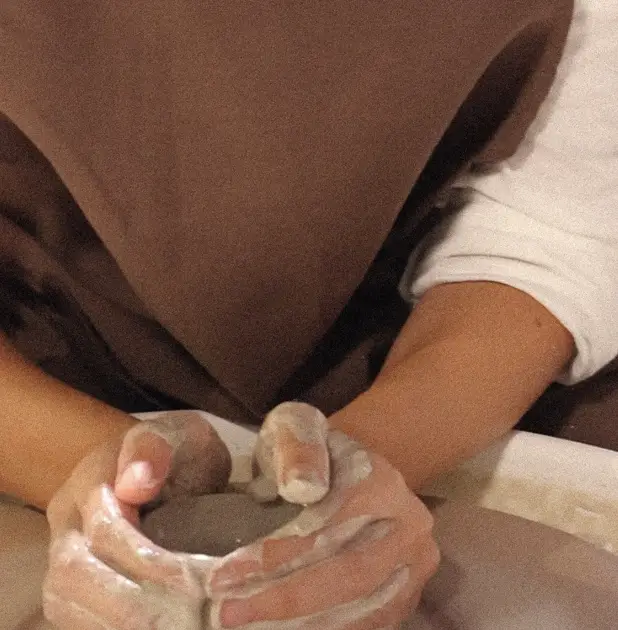
The range is wide and keeps growing. Pottery and ceramics are the stars of the scene, with studios offering wheel-throwing tasters, hand-building sessions and multi-week courses. Painting is just as popular, from relaxed paint-and-sip nights to structured classes in watercolour, acrylics and oils.
Cooking and baking schools teach everything from fresh pasta and sushi to bread, pastry and regional dishes. Beyond those, you’ll find candle-making, perfume blending, calligraphy, floristry, jewellery-making, photography, choir and singing sessions, dance and fitness classes, plus language courses for anyone keen to learn Arabic. Many studios also run seasonal sessions, such as festive decorating or candle-making classes before Diwali and the winter holidays, which make lovely ways to mark the occasion with friends or family.
Where the studios are
Many of Dubai’s creative studios are in Al Quoz, where warehouse units give artists space for kilns, workbenches and large group tables. It’s home to well-known names such as The Mud House Studio and The Jamjar, and you can combine a class with a wander around the galleries of Alserkal Avenue. Other good clusters include Jumeirah and Umm Suqeim, Dubai Design District, Jumeirah Lakes Towers and the communities around Dubai Marina.
Cooking schools are often in residential neighbourhoods or inside larger kitchens and food halls. Check parking and the nearest Metro station when you book, as Al Quoz in particular is easier to reach by taxi or car. In Abu Dhabi and Sharjah you’ll find smaller clusters of studios, art centres and cultural foundations running classes too, and some of the larger museums host family workshops linked to their exhibitions. Our guides to Abu Dhabi and art and culture are good places to look for more.
How to choose the right class
- Start with a taster. One-off sessions are the easiest way to find out whether you enjoy a craft before committing to a course.
- Check group sizes. Smaller groups mean more time with the instructor, which matters for skills like throwing on the wheel.
- Ask what’s included. Materials, aprons, firing and glazing for pottery, or ingredients and recipes for cooking, are not always part of the price.
- Read the collection policy. Ceramics usually need to be dried, fired and glazed, so pieces are often ready to collect a few weeks later.
- Look at cancellation terms, especially for courses that run over several weeks.
- Check the language and level. Most classes are taught in English, and some studios also teach in Arabic or other languages, so ask if it matters to you.
What workshops cost and how booking works
Prices depend on the craft, the length of the session and what’s included. As a rough guide, beginner taster sessions at Dubai studios usually start from around AED 100 to AED 250 per person, paint-and-sip evenings and specialist sessions can cost more, and multi-week courses are priced per course. Professional masterclasses and certified courses sit at the top of the range. Every event in our listings shows its starting price, so you can compare before you click through.
Most studios take bookings online or through messaging apps, and popular sessions sell out, so it pays to book rather than turn up. One-off workshops from our calendar link straight to the organiser or ticketing page. Use the filters at the top of this page to narrow the list by When, Type, Emirate and Price; finished workshops drop off automatically, so everything you see is still bookable.
Classes for kids and families
Many studios run children’s sessions, birthday parties and holiday camps, and some offer parent-and-child classes where you make something together. Age limits vary by activity: pottery wheels and hot kitchens often have a higher minimum age than painting or clay modelling, so check before you book.
School holidays, including the long summer break and the winter holidays, are when kids’ camps are busiest, and spaces can go quickly. Cooking classes for children, from pizza-making to baking, are especially popular in the cooler months. Our kids’ events page lists confirmed family activities across the city.
Workshops for groups, teams and professionals
A class makes a great alternative to dinner for a group of friends, a date or a team outing. Paint-and-sip evenings and cooking classes are especially good for groups, and many studios can host private sessions for birthdays, hen parties or corporate events. If you’re new to the city, joining a regular course is one of the easiest ways to make friends, because you’ll see the same faces each week. You’ll find more ideas in our new to the UAE guide.
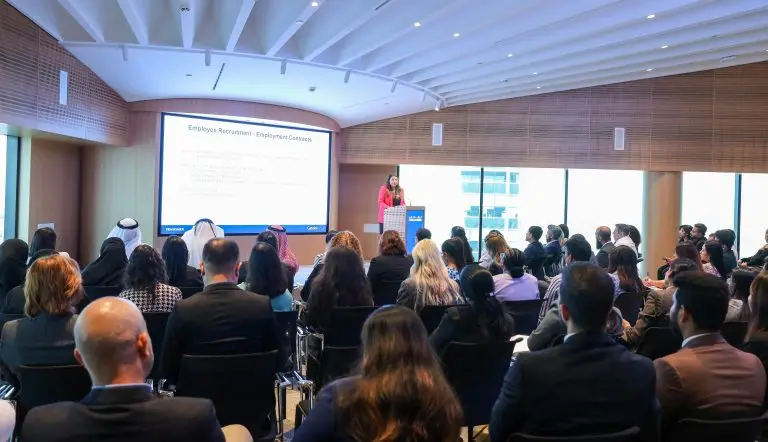
Workshops aren’t only about crafts. Dubai has a busy calendar of professional workshops and masterclasses, covering topics such as leadership, communication, employment law and artificial intelligence, often run by business groups, training companies and industry bodies. These are usually half-day or full-day sessions on weekdays, and some include a certificate. If that’s your focus, our business and networking page has more.
When to book
Weekends are the busiest time, particularly Saturday and Sunday mornings, so book a few days ahead for popular studios. Weekday evenings are a good option if you work in the city, and many studios run regular after-work sessions. The cooler months, roughly October to April, bring extra outdoor workshops and markets, while summer is a great time to try something indoors and out of the heat.
During Ramadan, some studios adjust their hours or run special evening sessions, so check the timetable before you plan. You can also browse dated classes in our what’s on calendar and our weekend picks.
Making the most of your class
Wear clothes you don’t mind getting messy, tie back long hair and arrive ten minutes early so you can settle in. Tell the instructor if you’re a complete beginner, as good teachers will adjust the pace for you. Take photos of your progress, ask questions and don’t worry if your first bowl is a little lopsided. Most people find the second session is where it really clicks.
If you catch the bug, ask about memberships or open studio time, which many pottery and art studios offer to regular students who want to practise between classes. Some also sell tools and materials, so you can keep going at home. Studios with accessibility needs in mind are increasingly common, but older warehouse units can have steps, so call ahead if you need step-free access.
Running a workshop, course or class? Submit an event and we’ll help people across the UAE find it.